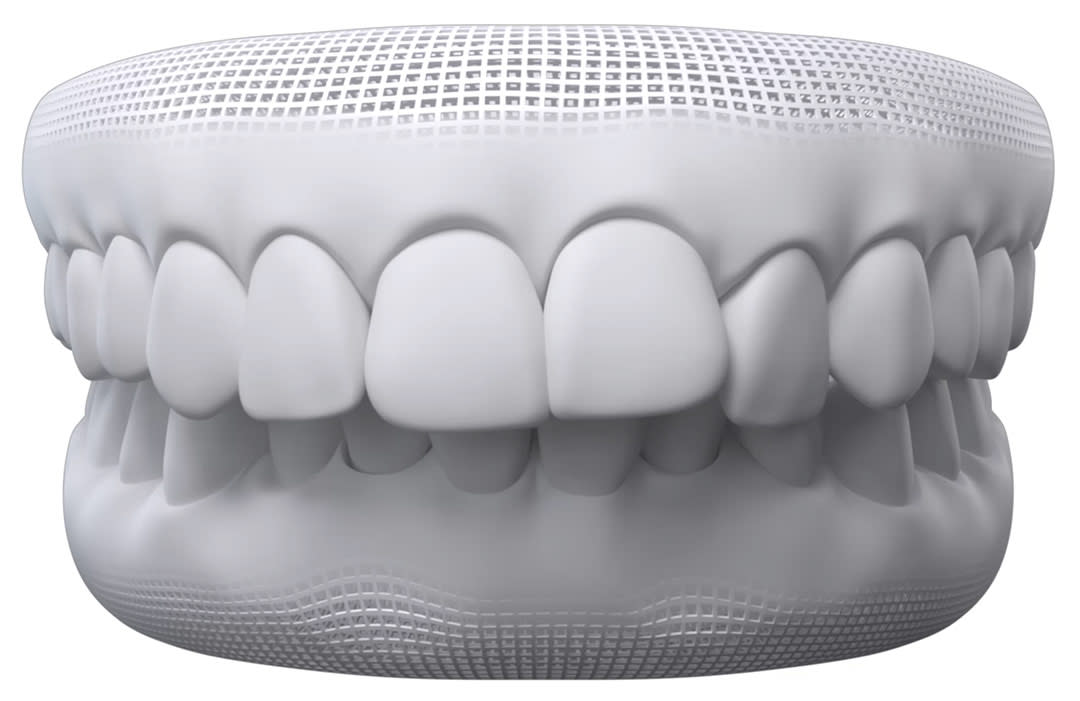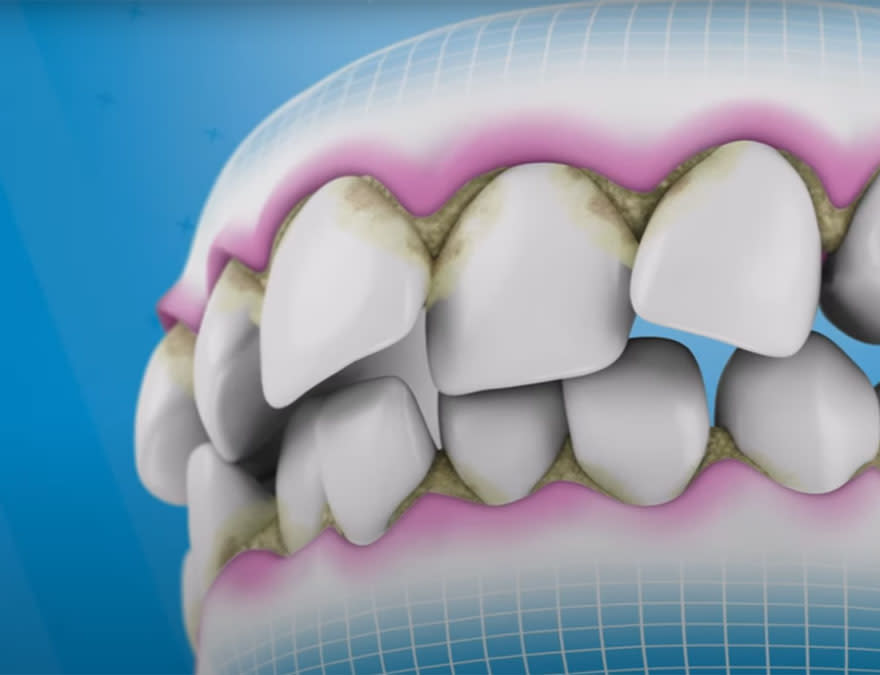
Gap teeth explained: what causes diastema and how to treat it

Gap teeth, known in dentistry as diastema, refer to a visible space or gap between two teeth1. These gaps can occur anywhere in the dental arch, though they are most noticeable between the upper front teeth1. Diastema is quite common in both children and adults. In fact, many dentists consider a gap between teeth to be a normal variation of dental development rather than a disease1.

Typically, having gap teeth is more of an aesthetic or personal concern than a medical problem, as small gaps usually do not harm oral health1. Some people even embrace their gap as a unique aspect of their smile. If you’re wondering what causes gap teeth, how they can affect you, and which treatments can help, this article will guide you through everything you need to know.

What is diastema?

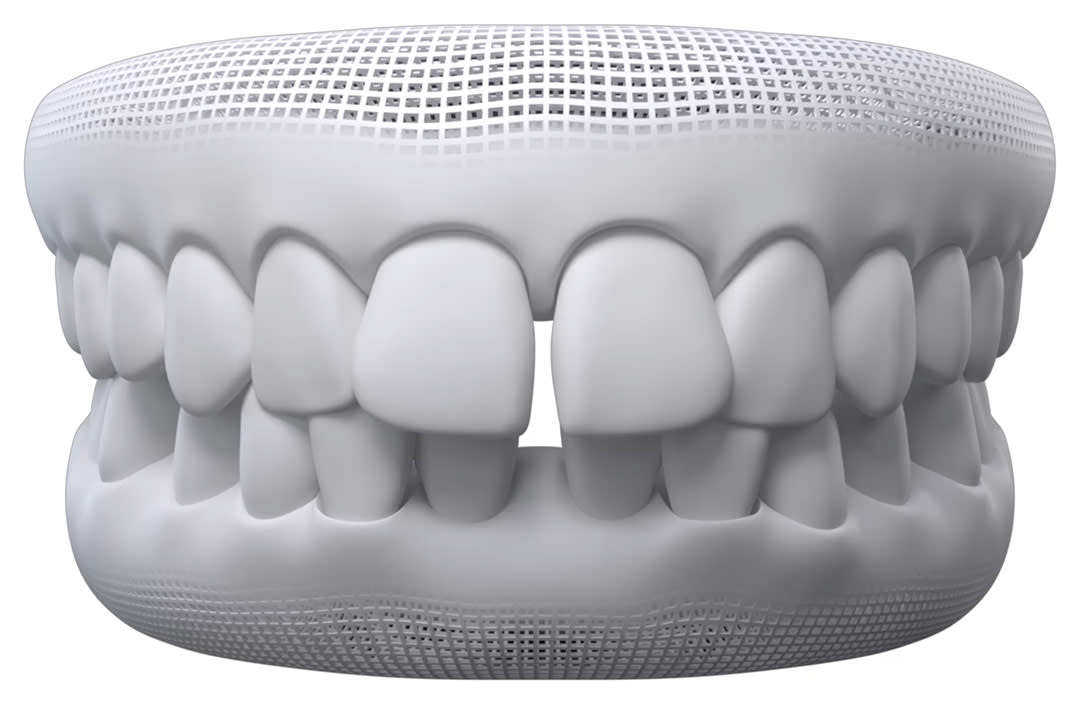
Gap teeth (diastema) are defined as any space between teeth that normally should be in contact1. In clinical terms, a gap wider than about 0.5 millimetres qualifies as a diastema, but practically speaking, any visible spacing between teeth is considered a “gap.”

Gap teeth are very common. Gapped front teeth are especially frequent in young children: nearly half of kids aged 3–12 have at least a small gap of 0.5 mm or more during early tooth development2.

The reason is that children’s baby teeth are smaller and spaced out, making room for the larger adult teeth coming in later. As a result, many children naturally have gappy smiles which tend to change as they grow. In most cases, a diastema is considered a normal developmental variation, not a defect1. It often closes on its own with time.

Сauses of gap teeth

There are multiple possible causes for gaps between teeth. Often, it’s a combination of genetic and environmental factors. Below are the most common causes of diastema:

  • Genetics and jaw-tooth size mismatch: In many cases, diastema simply runs in families1. If your jaw is relatively large while your teeth are relatively small, you can end up with extra space between teeth. This size discrepancy is hereditary, meaning if your parents had gap teeth, you might have them as well. When teeth are too small for the jaw, gaps appear as a natural spacing to fill the arch3.

  • Missing or undersized teeth: If a tooth is missing or smaller than normal, it creates space that can lead to gaps. A classic example is having missing or very small upper lateral incisors (the teeth on either side of your top front teeth), this often causes a gap between the two front teeth3.

  • Oversized labial frenum: The labial frenum is the little band of tissue that connects your upper lip to your gums, just above the front teeth. In some people, this tissue is unusually thick or extends low between the front teeth, physically pushing them apart3.

  • Childhood habits: Certain oral habits in childhood can create gaps over time. For example, thumb sucking or persistent dummy use beyond toddler years can put forward pressure on the front teeth, nudging them apart3. Likewise, a habit of pushing the tongue against the front teeth (often called tongue thrusting or lip sucking) exerts pressure that can gradually cause a gap3. These behaviours during the formative years can contribute to spacing as the child’s jaw and teeth are developing.

As this list shows, not all diastemas have the same cause. Identifying the cause of a gap is important, because it guides the appropriate treatment approach. A dentist can usually determine the cause by examining your teeth alignment, checking your gums, and discussing your health history.

How to know if you have gap teeth

This might sound obvious, but the primary sign of gap teeth is simply seeing a gap. If you have a noticeable space between one or more of your teeth, then by definition you have diastema in those spots.

Here are a few pointers on identifying and assessing gap teeth:

  • Visible space: Stand in front of a mirror and smile or gently clench your teeth together. Do you see any openings between teeth where they don’t touch? The most common gap is between the upper front two teeth, but gaps can be anywhere (e.g. between molars or between side teeth). If a space is visible, that’s a diastema. Gaps can be small or large. Sometimes people aren’t sure if what they see counts as a “gap”, generally, if light passes through the space or food can easily get stuck there, it’s a gap.

  • No other symptoms in healthy cases: If the gap teeth are not caused by any disease, you won’t typically have other symptoms like pain or bleeding3. The surrounding gums should be healthy and pink, and the teeth should be firm. You might notice that flossing those teeth is very easy (since there’s a gap, the floss isn’t tight between them). You might also find that certain foods, like popcorn or spinach, tend to get caught in the gap more often, which is more of an annoyance than a serious problem, as long as you keep the area clean.

  • Dental exam: The simplest way to know for sure what’s going on with any gap is to see your dentist. Dentists can identify diastema during a routine exam with no special tests needed1. They will look at the size and location of the gap and check the overall alignment and health of your teeth. If needed, an X-ray might be taken to see if there’s an underlying issue.

In essence, you’ll know you have gap teeth by observation. The key follow-up question is why you have the gap (the cause) and whether anything should be done about it. If you’re uncertain if a space between teeth is normal for you, a dentist’s opinion can help.

Invisalign® doctor shows Invisalign aligners and treatment on the screen

Think you might have gap teeth?

Book a consultation with an Invisalign provider in your area to confirm whether you have a diastema and explore personalised treatment options tailored to your smile


Think you might have gap teeth?

Invisalign® doctor shows Invisalign aligners and treatment on the screen

Book a consultation with an Invisalign provider in your area to confirm whether you have a diastema and explore personalised treatment options tailored to your smile
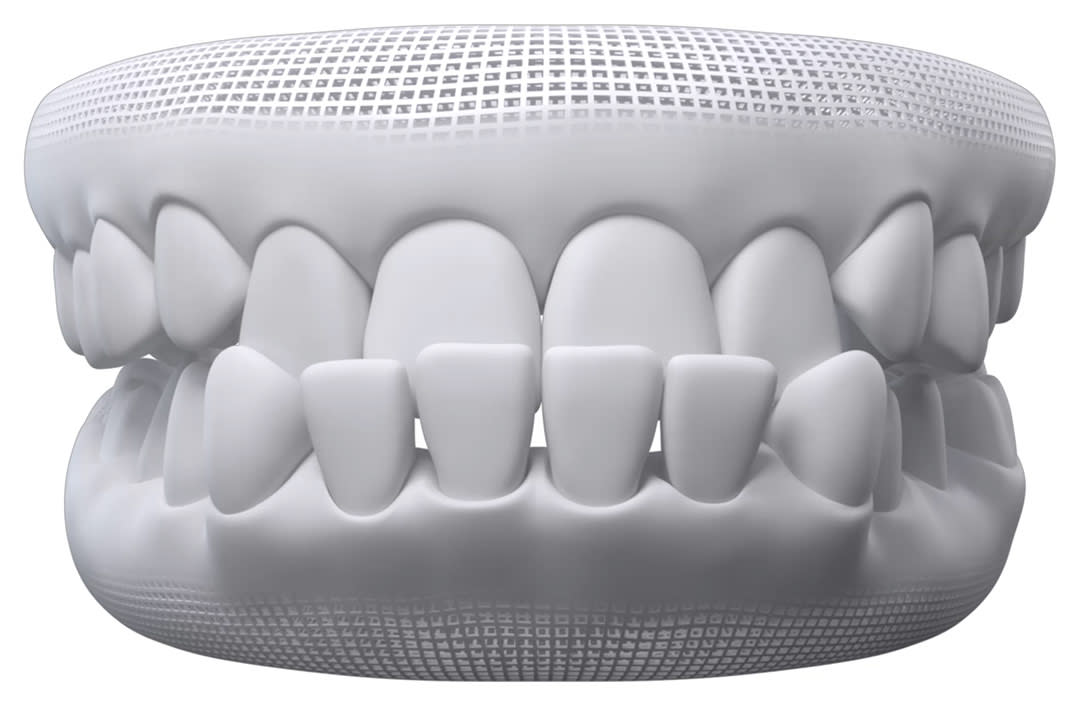
Treatment methods for diastema

If you or your child has gap teeth and are considering closing the gap, there are multiple treatment options available. The appropriate treatment depends on the cause and size of the gap, as well as the patient’s age and cosmetic preferences.

In some cases, the best option may be no treatment at all, simply accepting the gap, especially if it’s small and not causing any issues. But if you do wish to close or reduce a gap for aesthetic or functional reasons, modern dentistry offers effective solutions.

Traditional braces

Braces are a traditional orthodontic appliance that use brackets and wires to gradually shift teeth. They are very effective at closing gaps, even large ones, by exerting steady pressure that brings the teeth together over time3. Often, a full set of braces on the upper (and sometimes lower) teeth is used, even if the gap is only in one place, because moving one tooth affects the bite and neighbouring teeth3.

Invisalign® clear aligners

An increasingly popular alternative to metal braces are Invisalign clear aligners - transparent, removable trays that fit over the teeth. Clear aligners can also effectively close gaps by applying pressure in the right spots; they are changed every one to two weeks to progressively move the teeth. Aligners tend to be more discreet and comfortable for many adults.

For eligible cases, Invisalign can close gaps typically in 6–18 months, depending on severity. If you pursue orthodontic treatment, you’ll also need to wear a retainer after treatment to keep the teeth from drifting apart again.

Cosmetic solutions

  • Dental bonding: For small or moderate gaps, a cosmetic solution called tooth bonding is often used. Bonding is a procedure where a dentist applies a tooth-coloured composite resin material to the sides of the teeth that border the gap1. The resin is shaped and polished so that it builds out the width of those teeth, effectively filling in the space for a more uniform look. Bonding is typically a quick procedure and can be done in one visit. It works best for relatively small gaps or for people whose teeth are a bit narrow. However, bonding resin can stain or chip over time and may need touch-ups every few years.

  • Porcelain veneers: Veneers are another cosmetic approach to hide a gap. Veneers are thin custom-made shells, usually made of porcelain or ceramic, that are bonded to the front surface of the teeth1. To close a gap, a dentist would craft the veneers slightly wider than your natural teeth, so that when cemented in place, the two veneers meet in the middle and cover the gap. They are a bit more costly than bonding, but they are long-lasting and high-quality in terms of cosmetic outcome1.

Gap teeth in children, should you worry?

When it comes to children, gap teeth are a very common sight and in most cases, there is no need to worry at all. Parents often notice gaps in their child’s smile and wonder if something is wrong or if orthodontic treatment will be needed. The truth is that gaps in primary teeth or between newly erupted permanent teeth in childhood are usually a normal part of growth and dental development1.

As mentioned earlier, children almost always have some spacing in their baby teeth. This is actually a good thing, those gaps provide room for the larger adult teeth to come in properly. In young kids (toddler age), spaced baby teeth indicate there’s adequate jaw growth for the permanent teeth down the line. Around the ages of 6 to 9, it’s typical to see a gap between the top front adult teeth after they erupt. During this phase, the upper permanent canines haven’t come in yet; when they do erupt (around age 11–13), they push the front teeth together, often closing the gap naturally4.

In fact, studies show that about 50% of children age 6–8 have a midline diastema, but these gaps tend to decrease in frequency as the children get older and more teeth come in4. So, if your child has a gap in the front teeth at age 7 or 8, it is very likely part of normal development and may resolve on its own as more teeth erupt and the jaw grows.

The American Association of Orthodontists (AAO) recommends that every child have an initial orthodontic evaluation by age 73. This doesn’t mean treatment starts at 7, but it allows an orthodontist to catch any developmental issues early. If your child has a very persistent gap or other malocclusion concerns, an orthodontist can advise whether any early intervention is needed or if it’s best to just wait for all the permanent teeth to arrive.

Many times, even if a gap remains at around age 11 or 12, the orthodontist might plan to address it during the teen years with braces. It’s rare to treat a purely cosmetic gap in the primary school years unless there’s a functional issue. So, if you’re worried, an evaluation at age 7–8 can set your mind at ease, often the conclusion is “let’s re-check in a couple of years.”

If a gap in a child is being caused or exacerbated by a habit (like thumb sucking or tongue thrusting), it’s important to work on stopping that habit. Persistent thumb sucking, for instance, can create not only a gap but also affect the bite. Pediatric dentists have techniques and sometimes appliances to help children break habits that harm their teeth. Once the habit is stopped, the teeth often move naturally toward a better position as the child grows. So, addressing habits early can prevent a minor gap from becoming a bigger issue.

In conclusion, for children with gap teeth, “wait and see” is usually the best policy unless there are clear indications otherwise. If the gaps do not resolve on their own by the time most of the adult teeth are in, orthodontic treatment in the early teenage years can readily close them, so there is an available remedy down the road.

Young woman receives her aligners from a male doctor

Concerned about gap teeth? Get expert advice

An experienced Invisalign provider can assess your or your child’s smile and recommend the right timing and treatment approach.

Concerned about gap teeth? Get expert advice

Young woman receives her aligners from a male doctor

An experienced Invisalign provider can assess your or your child’s smile and recommend the right timing and treatment approach.

FAQ

Does flossing create gaps in teeth?

No, flossing does not create gaps between teeth. In fact, daily flossing helps prevent gaps by removing plaque and food particles that could otherwise lead to gum disease and bone loss, both of which can cause teeth to shift or spread over time5.

How to fix gap teeth?

Gap teeth can be closed through orthodontic treatments like traditional braces or Invisalign® clear aligners, which gradually move teeth together. For smaller gaps, cosmetic options such as dental bonding (using tooth-coloured resin) or porcelain veneers (thin shells placed on the teeth) can provide fast aesthetic results. The best method depends on the size of the gap and individual needs, and a dentist or orthodontist can recommend the most suitable approach.

What causes gap teeth?

Gap teeth can result from a mix of genetic and environmental factors. Common causes include a mismatch between jaw and tooth size, missing or undersized teeth, an oversized labial frenum that pushes the front teeth apart, and childhood habits such as thumb sucking or tongue thrusting.

Are gap teeth genetic?

Yes. Gap teeth can be genetic, often caused by a mismatch between jaw size and tooth size. If parents have diastema, their children are more likely to develop it as well.

Are small gaps in teeth normal?

Yes. Small gaps between teeth are common and usually normal. Many children naturally have gaps during development, and these often close as the permanent teeth come in.


إخلاء المسؤولية: المعلومات الواردة في هذا الموقع مخصصة للأغراض التعليمية والإرشادية فقط، ولا تشكل نصيحة طبية. وهي ليست بديلاً عن الاستشارة أو التشخيص أو العلاج الطبي. يُرجى استشارة مقدم الرعاية الصحية الخاص بك بشأن أي أسئلة قد تكون لديك تتعلق بأي حالة طبية أو تتعلق بالأسنان، وعدم تجاهل أو تأخير طلب هذه الاستشارة بناءً على أي شيء قرأته في هذا الموقع.

هل تتساءل عمّا إذا كان علاج Invisalign مناسبًا لك؟

  1. Cleveland Clinic - Diastema: Definition, Types & Treatment. (https://my.clevelandclinic.org/health/diseases/23477-diastema)
  2. Invisalign - Diastema: What It Is, What Causes It, How to Deal with It. (https://www.invisalign.com/resources/treatable-cases/diastema-causes-and-how-to-deal-with-it)
  3. Medical News Today - Diastema: Causes, treatment, and prevention. (https://www.medicalnewstoday.com/articles/diastema)
  4. American Academy of Pediatric Dentistry (Huang et al., Pediatric Dentistry journal) - The midline diastema: a review of its etiology and treatment. (https://pubmed.ncbi.nlm.nih.gov/7617490/)
  5. American Dental Association - Dental Floss/Interdental Cleaners. (https://www.ada.org/resources/ada-library/oral-health-topics/floss)