Retainers for Teeth Straightening: What Are They and Are They Essential?

When you first decide to get your teeth straightened, you may spend most of your time figuring out what method you want to use. Should you go for treatment with clear aligners like the Invisalign® system, or do you go with something traditional like metal or ceramic braces?

What often gets forgotten is your choice of retainer that comes after your teeth-straightening treatment. Let's look at what retainers for after teeth straightening are, the different kinds of retainers, and why they are an essential part of protecting your straighter smile (and investment!) after treatment.

What are retainers and what do they do?

When you first start to straighten your teeth, whether it’s with traditional braces, lingual braces, or clear aligners, you are essentially changing the positioning of your teeth. This means your teeth could need time to adjust to their new positions1.

Throughout your teeth-straightening journey, your teeth will of course become straighter, but those ligaments and muscle tissues need a little more time to adapt to their new, more aligned teeth positions.

This is where a retainer comes in — it's the device you wear after your teeth-straightening treatment to keep your teeth in their new straightened alignment.

Without a retainer, your teeth will want to move back toward their original positions. It essentially acts as a "reminder" for your teeth, helping them stay in the new position.

In essence, a retainer is a final tool you use in your teeth straightening journey to ensure a lifelong straighter smile.

Do I have to wear my retainer after braces or Invisalign treatment?

The short answer is yes, you should wear retainers after braces, Invisalign treatment, or any other teeth-straightening method you’ve chosen.

Over time your teeth may start to move back to where they were before and this can undo the months of progress you had worked towards, not to mention your investment.

This is why your orthodontist or dentist will give you a retainer at the end of your treatment. They understand how important it is to maintain your new smile, and a retainer is the best way to do that.

How long do you have to wear a retainer for?

As with all things related to teeth straightening, how long you will have to wear your retainer will depend on your individual needs, and is something you will need to discuss with your dentist or orthodontist.

As an example3 though, your dentist might instruct you to wear your retainer full time for a period of time, and then only at night time (or even just a few nights per week).

What are the different types of retainers?

There are a few different types of retainers that you can choose from. The type of retainer you choose will likely be based on your preference and the recommendation of your orthodontist or dentist.

The most common types of retainers are:

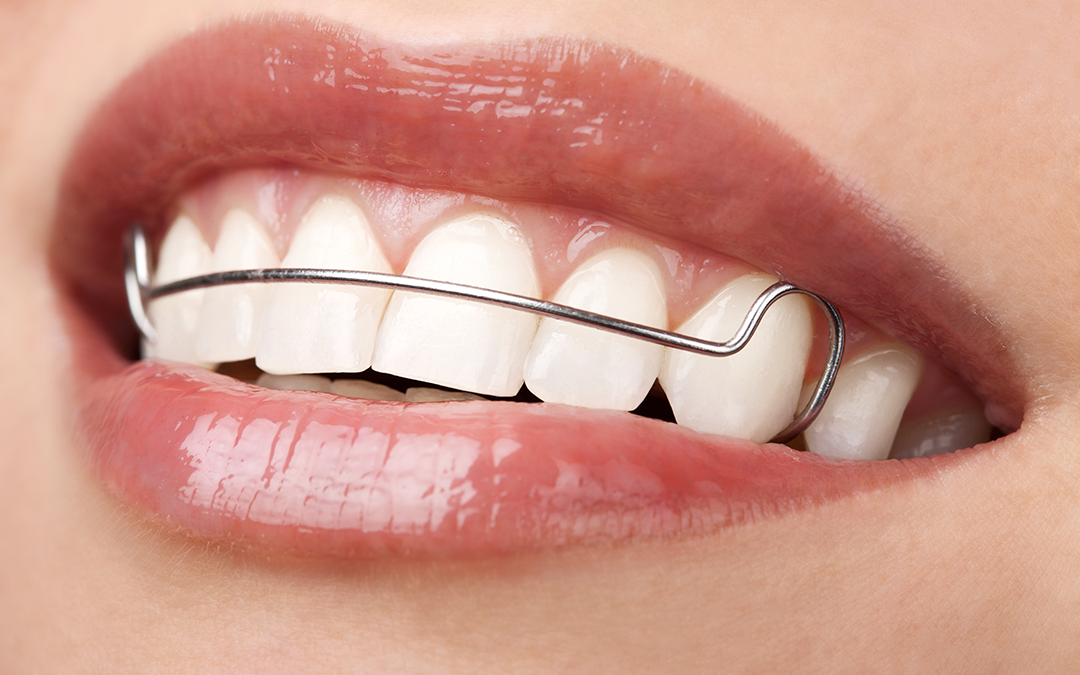
Wire retainers

Wire retainers4 are made from a combination of wire and acrylic, fitting at the back of your teeth — with the acrylic part being moulded to the roof of the mouth/palate.

The retainer's wire part helps keep your teeth in place, while the acrylic part sits against your palate. Similar to clear retainers, wire retainers are usually removable, which means you can take them out to eat, drink, brush your teeth, etc.

They can feel a little bit invasive and chunky at first, as they are quite big. This size can also affect the way you speak, which shouldn't be much of an issue as you'd normally wear them at night. In some cases, people have also been shown to adjust to the retainer and start to talk normally again in a short while5.

Permanent retainers

Also called “fixed retainers” or “bonded retainers6”, permanent retainers are just that — they are fixed or bonded to the back of your teeth, usually your lower teeth. They are usually made from a thin wire that is fastened to the back of your teeth.

Permanent retainers can be less noticeable than other retainers, but they are not always an option depending on your teeth straightening journey. They also only retain the teeth that they are bonded to, meaning that the rest of the teeth that are not bonded can still shift. Finally, maintaining hygiene for the bonded teeth is challenging and the area is prone to plaque buildup. Some patients also find permanent retainers uncomfortable.7

Clear retainers

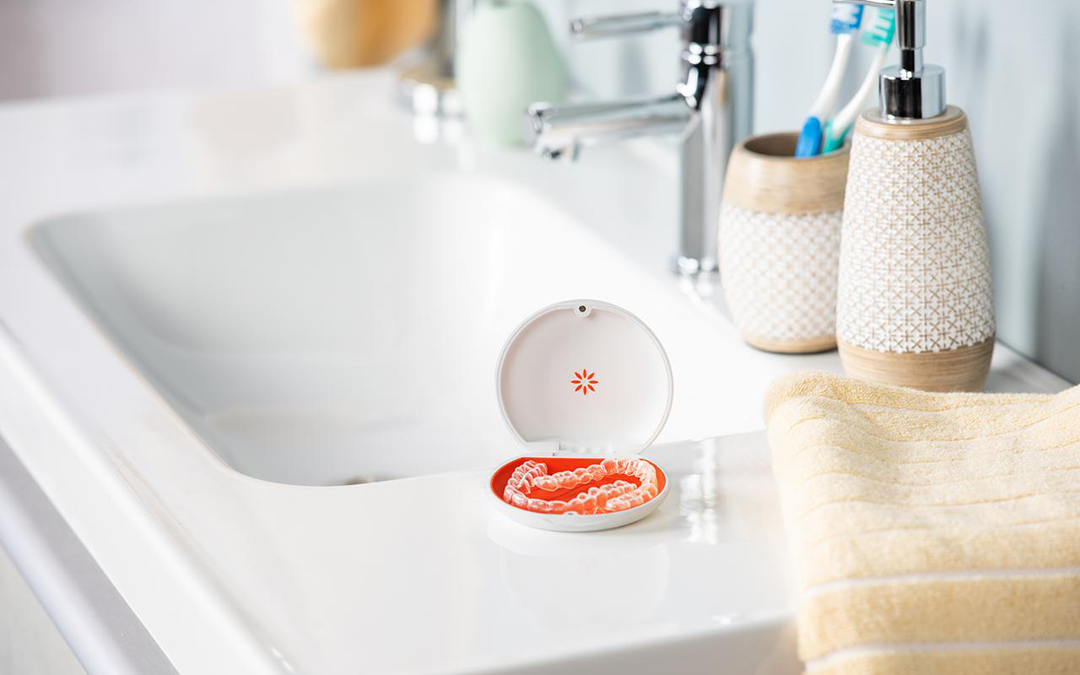
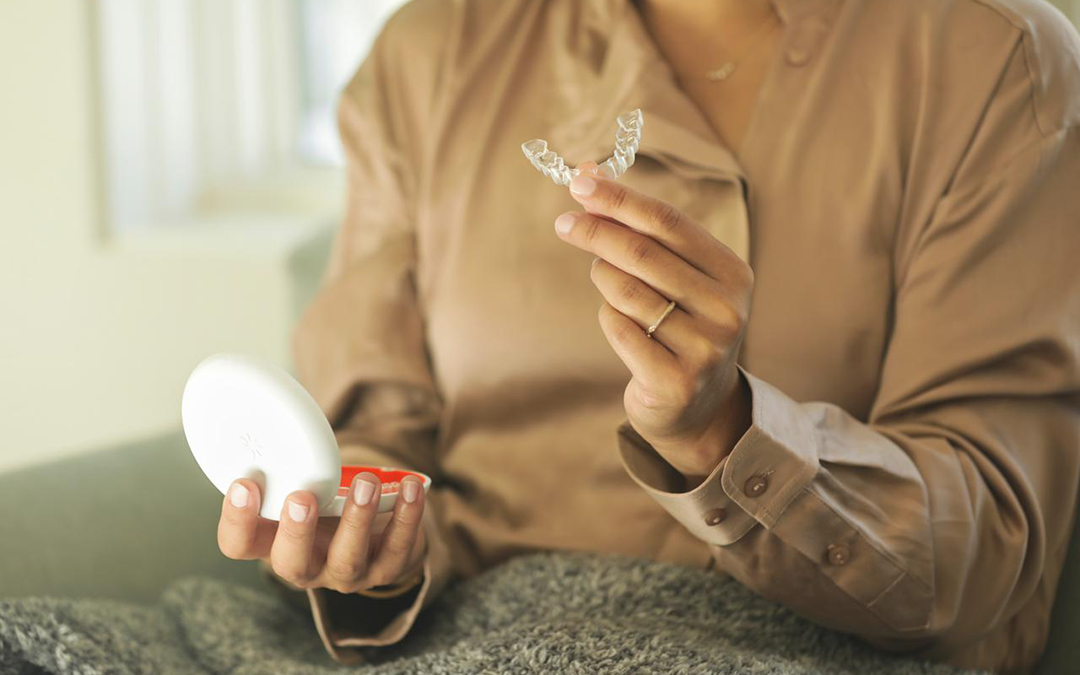
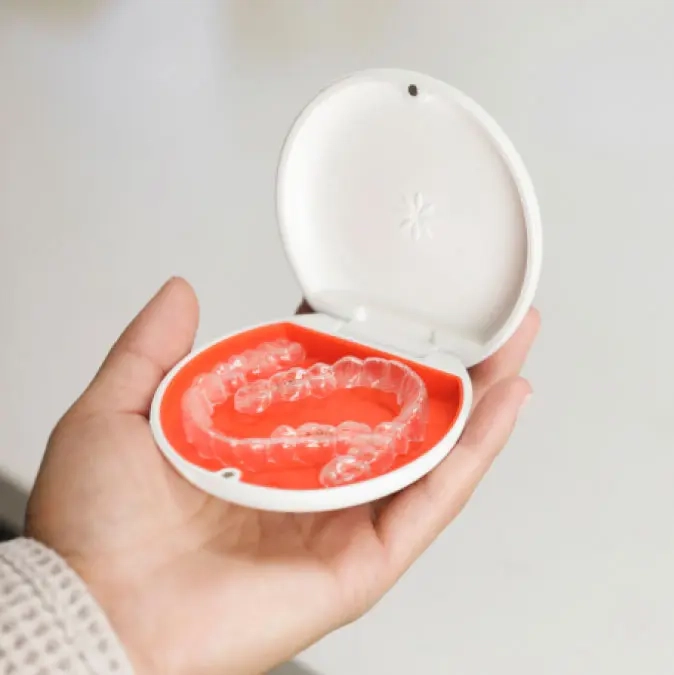
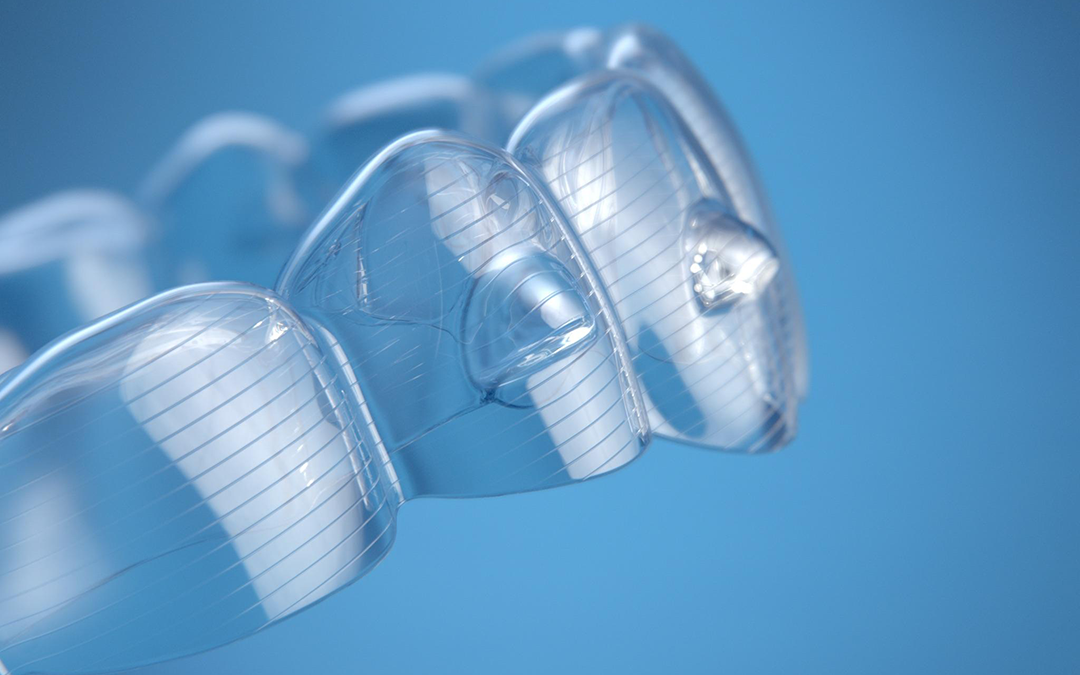
Clear retainers are made from a clear medical-grade plastic material. They fit over your teeth for an almost invisible and comfortable retainer option. The type of plastic material will vary, as will the quality and comfort of each brand of clear retainer.

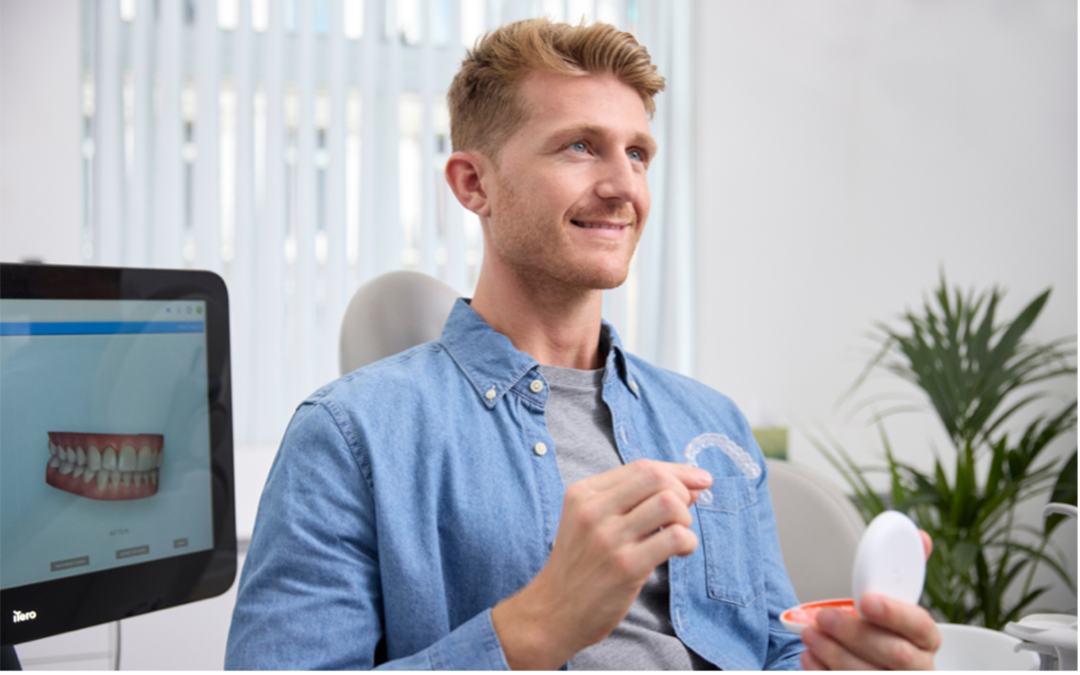
Vivera retainers, for example, are from the makers of Invisalign clear aligners, means you’ll get the same virtually invisible look, all while having a retainer that is custom fit for your mouth and teeth. Better yet, Vivera retainers have the strength and durability to withstand teeth grinding without compromising effectiveness.1

Best of all, you can benefit from Vivera retainers whether you previously had Invisalign treatment, traditional braces or other teeth straightening methods.

مثبتات Vivera™ في علبتها البرتقالية

So, there you have it — a quick course on retainers for post-teeth straightening! Wearing a retainer is vital for maintaining your new smile after teeth straightening treatment. Whether you've had traditional braces or Invisalign, a retainer helps to keep your teeth in their new, corrected position.

Be sure to ask your dentist or orthodontist about what type of retainer is best for you, and how long you'll need to wear one. And if you're looking for a comfortable, almost invisible retainer option, Invisalign's Vivera clear retainers may be the best solution for you.

If you would like to book a consultation with our team to see if Vivera retainers are right for you, please don't hesitate to get in touch with our friendly Smile Concierge team.


إخلاء المسؤولية: المعلومات الواردة في هذا الموقع مخصصة للأغراض التعليمية والإرشادية فقط، ولا تشكل نصيحة طبية. وهي ليست بديلاً عن الاستشارة أو التشخيص أو العلاج الطبي. يُرجى استشارة مقدم الرعاية الصحية الخاص بك بشأن أي أسئلة قد تكون لديك تتعلق بأي حالة طبية أو تتعلق بالأسنان، وعدم تجاهل أو تأخير طلب هذه الاستشارة بناءً على أي شيء قرأته في هذا الموقع.

هل تتساءل عمّا إذا كان علاج Invisalign مناسبًا لك؟

  1. تُعرَّف المتانة بأنها القدرة على تحمل تشقُّق المثبت وكسره. يُقصد بالقوة قوة التثبيت، وهي قدرة المثبت على توجيه أحمال ميكانيكية تصحيحية كافية للاحتفاظ بالأسنان في مواضعها المحددة. بناءً على اختبار التحقق من القوة الذي أجري على نماذج أقواس للأسنان العليا والسفلى، يُقيَّم نظام القوة استنادًا إلى حركة الأسنان: جهة الخد/ جهة اللسان، والميَلان، والدوران. لم تحصل مثبتات Vivera على تصريح رسمي بالاستخدام في علاج صرير الأسنان. سُجلت بيانات الدراسة لدى Align Technology، اعتبارًا من 8 مايو 2023.